

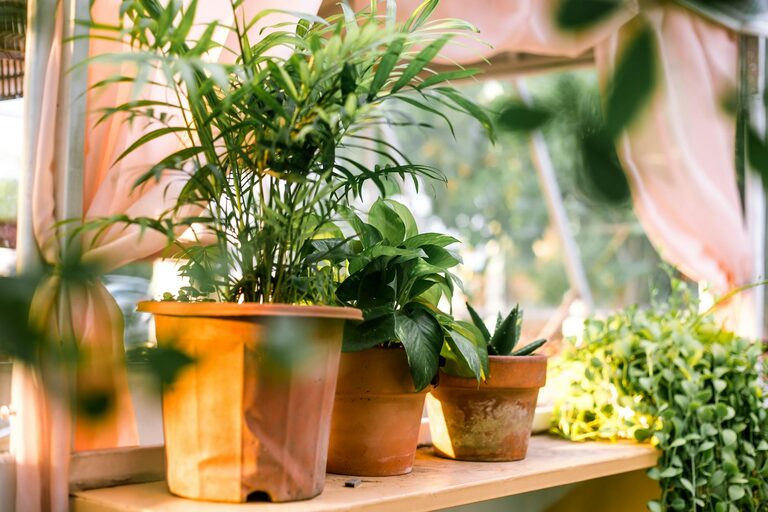
Creating a sustainable home garden that thrives throughout the year is both rewarding and environmentally friendly. By adopting thoughtful gardening practices, you can enjoy fresh produce, beautiful plants, and a greener lifestyle while minimizing waste and conserving resources. Whether you’re a seasoned gardener or just starting, these tips will help you build a garden that works well in every season.
Understanding Sustainable Gardening
Sustainable gardening focuses on using natural resources wisely and minimizing harm to the environment. This means reducing water usage, avoiding chemical pesticides, choosing native plants, and promoting biodiversity. A sustainable garden supports the local ecosystem, encourages pollinators, and reduces your carbon footprint.
Choose the Right Plants for Year-Round Growth
Select Native and Adapted Plants
Native plants are well-suited to your local climate and soil, requiring less water and maintenance. Including plants that are naturally adapted to your area helps create a resilient garden that withstands seasonal changes.
Mix Perennials and Annuals
Perennials return each year, reducing the need for replanting, while annuals can fill seasonal gaps and provide variety. A mix ensures constant greenery and harvest potential throughout the year.
Grow Seasonal Vegetables and Herbs
Plan your vegetable and herb garden to include plants that thrive in different seasons. For example, leafy greens like spinach and kale can grow well in cooler months, while tomatoes and peppers flourish in warmer periods.
Improve and Maintain Healthy Soil
Compost Regularly
Composting kitchen scraps and garden waste enriches your soil with nutrients naturally. It reduces landfill waste and provides organic matter that improves soil structure and fertility.
Practice Crop Rotation
Changing the location of your crops each season prevents soil depletion and reduces pest and disease buildup. It also helps balance nutrient use within your garden.
Use Mulch
Mulching conserves moisture, suppresses weeds, and adds organic matter as it breaks down. Spread a layer of mulch around plants to protect soil and conserve water throughout the year.
Conserve Water Efficiently
Collect Rainwater
Installing rain barrels allows you to capture and store rainwater for irrigation. This reduces reliance on municipal water and helps during dry periods.
Water Wisely
Water your garden early in the morning or late in the evening to minimize evaporation. Use drip irrigation or soaker hoses to target roots more precisely and reduce waste.
Choose Drought-Tolerant Plants
Incorporate plants that require less water, especially during hot or dry months. This helps maintain your garden’s health with lower water consumption.
Encourage Biodiversity and Natural Pest Control
Attract Beneficial Insects
Plant flowers like marigolds, lavender, or daisies to invite pollinators and pest predators such as ladybugs and lacewings. These insects help keep harmful pests in check without chemicals.
Create Habitats for Wildlife
Leave some areas with leaf litter, logs, or rocks to provide shelter for beneficial insects, frogs, and birds. This supports a balanced ecosystem in your garden.
Avoid Chemical Pesticides
Opt for natural pest control methods like homemade sprays, companion planting, or physical barriers. These strategies protect garden health and local wildlife.
Extend the Growing Season
Use Cold Frames and Greenhouses
Cold frames, cloches, and small greenhouses protect plants from frost and extend the growing season into cooler months. They provide a controlled environment to nurture seedlings and tender plants.
Practice Succession Planting
Plant new crops in succession as harvests finish to keep your garden producing continuously. This maximizes space and ensures fresh food throughout the year.
Apply Season-Extending Fabrics
Shade cloths, row covers, or frost blankets can protect plants from extreme temperatures and extend the growing window.
Maintain Your Garden Responsibly
Monitor Plant Health
Regularly check for signs of pests, disease, and nutrient deficiencies. Early intervention is key to sustainable management without harsh chemicals.
Prune and Harvest on Time
Pruning encourages healthy growth, while timely harvesting prevents waste and helps plants produce more.
Keep Garden Tools Clean
Clean and sharpen tools to prevent spreading diseases and ensure efficient work.
Conclusion
Building a sustainable home garden year-round is achievable with a little planning and care. By choosing the right plants, caring for your soil, conserving water, supporting biodiversity, and extending your growing season, your garden will flourish in harmony with nature. Enjoy the many benefits of fresh food, relaxation, and connection to the environment no matter the season.