

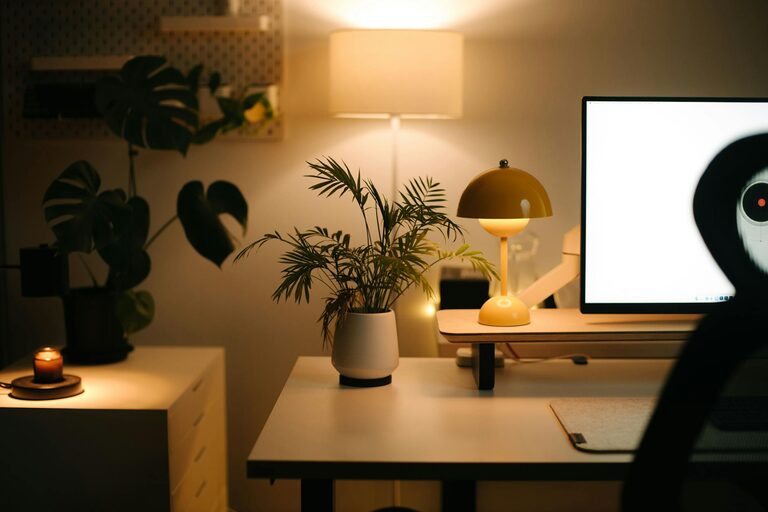
Creating a home workspace that feels both cozy and functional can make a significant difference in your daily productivity and overall comfort. Whether you work remotely, run a side business, or need a dedicated area for study, the right environment helps maintain focus and reduces stress. In this post, we’ll explore practical tips to design a home workspace that suits your needs while creating a warm, inviting atmosphere.
Why a Cozy and Functional Workspace Matters
A workspace is where you spend a good part of your day, so comfort and efficiency are key. A cozy space encourages relaxation and creativity, decreasing burnout. Functionality ensures you have everything you need within reach, reducing distractions and improving workflow. Balancing these two elements sets the foundation for successful home working.
Step 1: Choose the Right Location
Find a Quiet Spot
Select a part of your home that is relatively quiet and free from high-traffic areas. This helps to minimize interruptions and noise distractions.
Consider Natural Light
Position your desk near a window if possible. Natural daylight boosts mood and energy levels, making it easier to stay alert and motivated.
Evaluate Available Space
Assess the space you have. It doesn’t need to be large, but it should accommodate your desk, chair, and storage comfortably.
Step 2: Invest in Comfortable Furniture
Select an Ergonomic Chair
Comfort starts with a chair that supports good posture. Look for adjustable chairs with lumbar support to avoid discomfort during long hours.
Choose a Desk that Fits Your Needs
Whether it’s a traditional desk, a standing desk, or a compact table, ensure it fits your working style and has enough surface area for your devices and accessories.
Add Soft Textiles
Incorporate cushions, a cozy throw, or an area rug to soften the space and make it inviting.
Step 3: Optimize Lighting
Layer Your Lighting
Combine different light sources: overhead lights, task lamps, and accent lighting. This setup reduces eye strain and creates a warm ambiance.
Use Warm Light Bulbs
Warm-toned bulbs (around 2700K to 3000K) provide a calming glow that’s easier on the eyes compared to harsh, cool lighting.
Control Glare
Position monitors and lighting to avoid glare. Consider using adjustable blinds or curtains to manage sunlight.
Step 4: Organize for Efficiency
Declutter Your Desk
Keep only the essentials on your workspace. A clean desk helps you focus and feel less overwhelmed.
Use Storage Solutions
Incorporate shelves, drawers, or baskets to keep supplies like notebooks, pens, and cables organized and out of sight when not in use.
Establish a Filing System
Create a system for important papers and documents. This can include file folders, trays, or digital organization if you work mostly on a computer.
Step 5: Personalize Your Space
Add Plants
Greenery not only beautifies your space but also improves air quality and boosts mood.
Display Inspiring Items
Photos, artwork, or motivational quotes can encourage creativity and positivity.
Choose Calming Colors
Use soft, neutral colors or your favorite soothing shades to paint or decorate your workspace. This creates a relaxing environment conducive to concentration.
Step 6: Manage Technology Wisely
Set Up Efficient Equipment
Invest in reliable devices like a comfortable keyboard, mouse, and monitor that suit your work tasks.
Minimize Cable Clutter
Use cable organizers or clips to keep wires neat and prevent tangling.
Maintain Good Internet Connection
Ensure you have fast and stable internet, as interruptions can disrupt workflow.
Step 7: Establish Routines for Productivity
Define Work Hours
Set clear start and end times to separate work from personal life.
Take Breaks Regularly
Incorporate short breaks to stretch or rest your eyes, which helps maintain focus throughout the day.
Keep Hydrated and Nourished
Keep a water bottle and healthy snacks nearby to stay energized without frequent trips to the kitchen.
Bonus Tips: Small Comforts Make a Big Difference
– Use a diffuser with your favorite essential oils for a pleasant scent.
– Play background music or white noise if it helps you concentrate.
– Keep a cozy blanket nearby for chilly days.
—
Designing a home workspace takes a bit of planning, but by focusing on comfort and functionality, you’ll create a setting that supports your productivity and well-being. Remember, your workspace should reflect your personal style and work habits, so don’t hesitate to experiment and adjust until it feels just right. Happy creating!